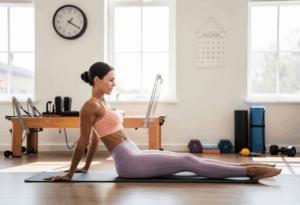
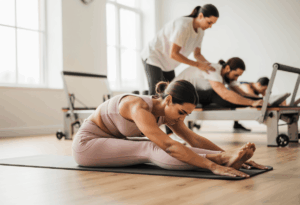
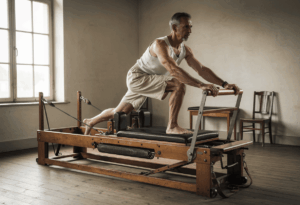
Yes Pilates can be very effective for back pain, especially when the pain is related to poor posture, weak core muscles, or lack of spinal stability. However, it is not a one-size-fits-all solution. The benefits depend on how Pilates is practiced, the type of back pain, and the individual’s movement capacity.
Pilates focuses on controlled movements, breathing, and deep muscle activation. When done correctly, it helps support the spine, reduce excessive load on the lower back, and improve overall movement quality. That said, certain exercises can worsen symptoms if performed without proper guidance.
Before diving deeper, it’s important to understand why back pain happens and how Pilates fits into the equation.
Key takeaways:
- Pilates can reduce back pain by strengthening deep core muscles.
- It works best for non-specific or posture-related back pain.
- Incorrect exercises or poor form can make pain worse.
Why back pain is so common today
Back pain is rarely caused by one single factor. In most cases, it results from a combination of lifestyle habits and movement patterns that overload the spine over time.
Common contributors include:
- Prolonged sitting, especially with poor posture
- Weak core and glute muscles
- Limited hip mobility
- Repetitive movements without recovery
- Poor breathing mechanics
When the deep stabilizing muscles of the spine are underactive, the body compensates by overusing superficial muscles. This leads to excess tension, reduced spinal control, and eventually pain.
This is exactly where Pilates can play a key role.
How Pilates targets the root causes of back pain
Unlike high-impact workouts, Pilates emphasizes slow, precise, and controlled movements. The goal is not to push harder, but to move better.
Pilates specifically trains:
- The transverse abdominis, a deep core muscle that stabilizes the spine
- The multifidus muscles, which support each vertebra
- The pelvic floor, essential for spinal control
- Coordinated breathing to reduce spinal compression
By improving neuromuscular control, Pilates teaches the body how to support the spine during everyday movements standing, walking, bending, or lifting.
Over time, this can lead to:
- Reduced mechanical stress on the lower back
- Better posture awareness
- Improved movement confidence
Is Pilates suitable for all types of back pain?
This is where nuance matters. Pilates is not ideal for every back pain condition, especially during acute flare-ups.
Pilates is generally helpful for:
- Chronic lower back pain
- Postural back pain
- Muscular imbalances
- Mild disc-related discomfort (with modifications)
It may not be appropriate at least initially for:
- Acute disc herniation with nerve symptoms
- Severe inflammatory back conditions
- Recent spinal surgery without medical clearance
In those cases, Pilates may still be used later, but only after symptoms stabilize and with professional supervision.
A practical rule of thumb:
If a movement increases sharp pain or nerve symptoms, it should be stopped immediately.
What science suggests about Pilates and back pain
Several clinical observations show that targeted core stabilization exercises can significantly reduce chronic lower back pain over time. Pilates-based programs often outperform general exercise when it comes to pain reduction and functional improvement, especially after 6 to 12 weeks of consistent practice.
One important nuance: intensity matters less than precision. Small, controlled movements that reinforce spinal alignment tend to be more effective than large, forceful exercises.
This explains why Pilates is often recommended as a rehabilitative or preventive approach, rather than a quick fix.
Which Pilates exercises help back pain the most?
Not all Pilates movements are equally beneficial when dealing with back pain. The most effective exercises are those that improve spinal stability without excessive spinal movement.
Safe and effective Pilates exercises
These exercises are commonly recommended for people with back discomfort:
- Pelvic tilts
Help restore gentle spinal mobility and reduce lower-back stiffness. - Heel slides
Strengthen the deep core while keeping the spine in a neutral position. - Dead bug variations
Improve coordination between core activation and limb movement. - Side-lying leg work
Activates the glutes, which reduces stress on the lower back. - Modified plank (on knees)
Builds core endurance without spinal compression.
These movements focus on control, alignment, and breathing, which are essential for protecting the spine.
Exercises to approach with caution
Some Pilates exercises can aggravate back pain, especially when performed too early or without proper supervision.
Be cautious with:
- Deep spinal flexion (full roll-ups)
- Advanced teaser variations
- Fast transitions
- Excessive twisting under load
If an exercise causes sharp pain, numbness, or radiating discomfort, it should be avoided or modified immediately.
How often should you practice Pilates for back pain?
Consistency matters more than duration.
A simple guideline:
- 2 to 3 sessions per week
- 20 to 40 minutes per session
- Focus on slow, high-quality repetitions
Most people start noticing improvements within 4 to 6 weeks, especially when Pilates is combined with daily posture awareness.
Practical checklist :
- Start with low-intensity, controlled movements
- Keep the spine in neutral whenever possible
- Breathe slowly and avoid holding tension
Who should be careful with Pilates for back pain?
While Pilates is generally safe, some people need extra caution before starting. Pilates works best when pain is mechanical or posture-related, not when inflammation or nerve compression dominates.
Be cautious if you have:
- Acute lower back pain with sudden onset
- Radiating pain, tingling, or numbness in the legs
- Recently diagnosed disc herniation
- Ongoing inflammatory back conditions
In these situations, Pilates may still be useful later, but only after symptoms calm down and movements are properly adapted.
A practical rule: discomfort is acceptable, sharp pain is not.
Common mistakes that make back pain worse
Pilates can increase back pain when it’s practiced incorrectly. The most common errors include:
- Over-contracting the core, creating excessive spinal stiffness
- Forcing range of motion instead of maintaining alignment
- Moving too fast and losing control
- Ignoring breathing patterns
Quality always matters more than quantity. Fewer repetitions with proper control are more beneficial than long sessions performed with poor form.
Can Pilates replace other back pain treatments?
Pilates should be seen as a long-term strategy, not a standalone solution. It works best when combined with:
- Daily movement breaks
- Ergonomic posture adjustments
- Progressive strengthening outside of Pilates
Pilates helps retrain how your body moves, but it doesn’t eliminate all causes of back pain on its own.
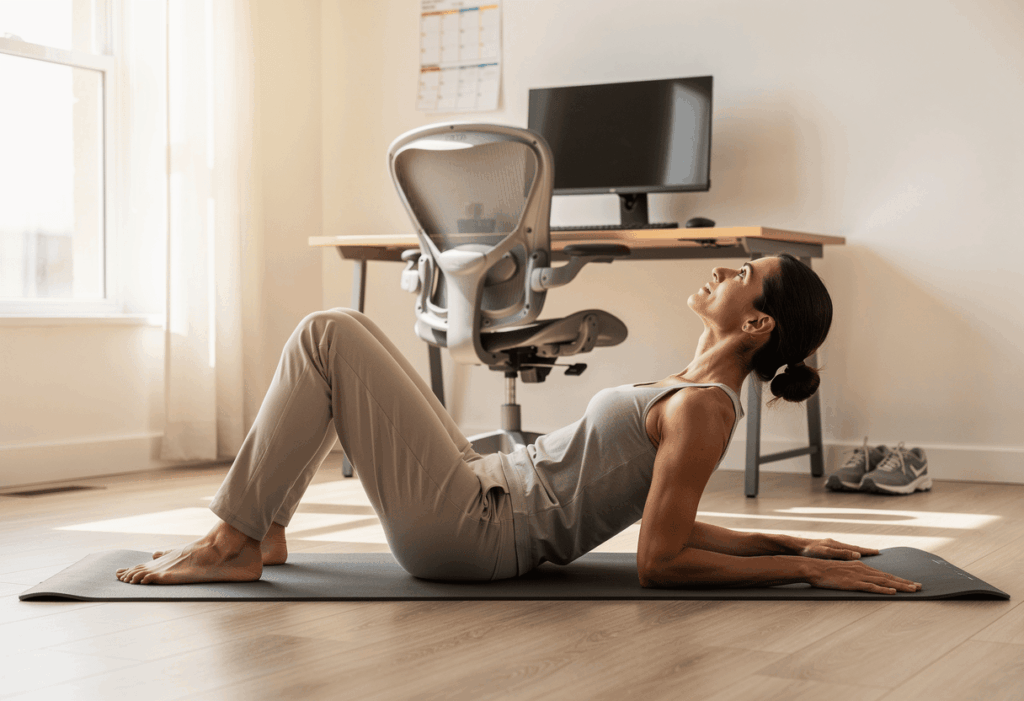
So, is Pilates really good for back pain?
For many people, the answer is yes when practiced correctly. Pilates is particularly effective for chronic, non-specific back pain linked to posture, muscle imbalance, or poor core control.
It helps by:
- Strengthening deep stabilizing muscles
- Improving spinal awareness and movement quality
- Reducing unnecessary tension in the lower back
That said, Pilates is not a quick fix. Benefits usually appear after several weeks of consistent practice, and progress depends on exercise selection and proper technique.
Key data : Most people who practice Pilates 2–3 times per week report noticeable back pain improvement within 6–8 weeks.
How to start Pilates safely if you have back pain
To maximize benefits and minimize risks:
- Start with beginner-level, mat-based Pilates
- Prioritize neutral spine and slow control
- Avoid exercises that trigger sharp or radiating pain
- Progress gradually rather than increasing intensity quickly
If you’re unsure, even a short, well-structured routine can be more effective than long, exhausting sessions.
Final takeaway
Pilates can be a powerful tool for managing back pain, especially when the focus is on control, alignment, and consistency. Used thoughtfully, it helps rebuild confidence in movement and supports long-term spinal health.