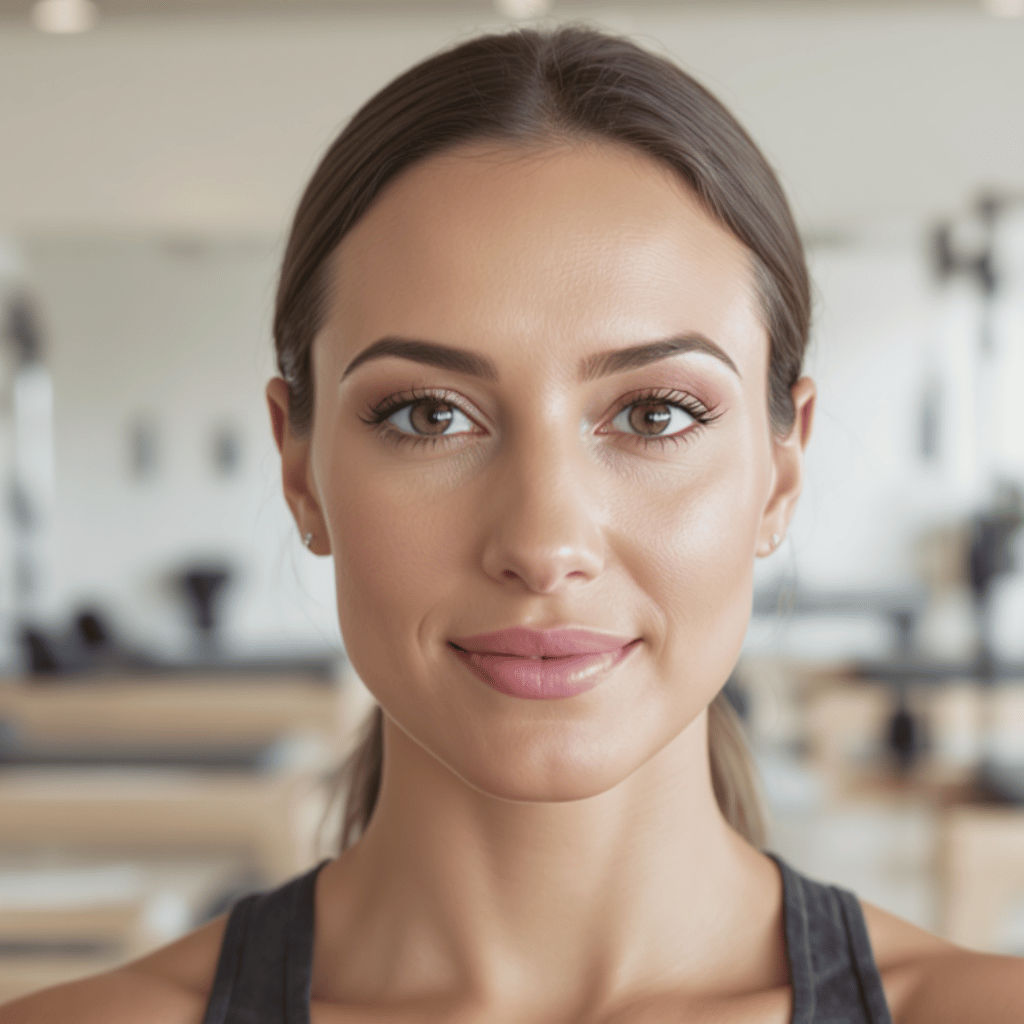
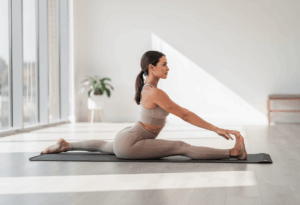
What to wear for Pilates? Choose comfortable, breathable, form-fitting clothing that allows full freedom of movement and lets your instructor see your alignment clearly. In most studios, barefoot or grip socks are preferred, not regular athletic shoes.
Pilates is a low-impact discipline, but it’s highly precise. What you wear directly affects how well you move, how stable you feel, and how accurately exercises are performed. Whether you’re heading to a reformer class or a mat session, the right outfit helps you stay focused, supported, and confident from start to finish.
Key takeaways:
- Wear stretchy, fitted clothes that don’t restrict movement.
- Pilates is usually practiced without shoes.
- Comfort and control matter more than fashion trends.
Unlike high-intensity workouts, Pilates focuses on control, posture, and precision. Loose clothing can bunch up, slide, or hide body alignment, making it harder to engage the correct muscles. On the other hand, overly tight or compressive outfits may limit mobility or breathing.
The ideal Pilates outfit strikes a balance between support and flexibility. Fabrics should feel soft on the skin, wick away moisture, and move effortlessly with your body. Seams, waistbands, and straps should stay in place during rolling, bridging, and leg-lift movements.
Another common question beginners ask is: do you wear shoes for Pilates? The short answer is no and there’s a good reason for that. Pilates relies heavily on foot articulation, balance, and proprioception, which are all better developed when your feet are in direct contact with the mat or reformer.
In the next section, we’ll break down exactly what to wear for Pilates, piece by piece from tops and bottoms to fabrics and fit so you can build a practical, studio-appropriate outfit with confidence.
The Best Tops and Bottoms to Wear for Pilates
Choosing the right Pilates clothing starts with understanding how your body moves during class. Pilates involves rolling, twisting, lifting the legs overhead, and lying on your back or stomach. Your outfit needs to stay in place through all of it.
Tops: fitted, breathable, and secure
For Pilates, the best tops are form-fitting without being restrictive. Instructors rely on visual cues to correct posture and alignment, especially around the spine and rib cage.
Good options include:
- Fitted tank tops with stretch
- Lightweight short- or long-sleeve tops that hug the torso
- Supportive sports bras, especially for reformer classes
Avoid loose T-shirts or oversized tops. When you’re upside down or doing core work, they tend to slide up and distract you, breaking concentration.
Fabric matters just as much as fit. Look for materials that are:
- Breathable
- Moisture-wicking
- Soft and flexible, with four-way stretch
Cotton blends can work for gentle sessions, but technical fabrics often perform better during longer or more intense classes.
Bottoms: flexibility and coverage are key
Pilates bottoms should allow full hip and leg mobility while remaining opaque and secure. The most popular options include:
- High-waisted leggings
- Capri-length leggings
- Fitted shorts (mainly for mat Pilates)
High-waisted styles are particularly useful because they stay in place during core exercises and provide light abdominal support without compression. Waistbands should feel snug but never dig into the skin.
Avoid baggy sweatpants or wide-leg trousers. They can:
- Restrict movement
- Catch on reformer equipment
- Make leg positioning harder to see
Practical checklist :
- Top stays in place when lying down
- Leggings stretch easily in all directions
- No thick seams around hips or lower back
Color, style, and confidence
While functionality comes first, feeling confident in your outfit matters. Neutral tones, soft pastels, or darker shades are all perfectly acceptable in Pilates studios. The key is choosing clothes that make you feel comfortable, focused, and unrestricted.
A subtle but important point: overly thick or stiff fabrics can interfere with spinal articulation. Pilates emphasizes smooth, controlled movement your clothing should support that sensation, not resist it.
Do You Wear Shoes for Pilates?
One of the most common beginner questions is do you wear shoes for Pilates?
In almost all cases, the answer is no.
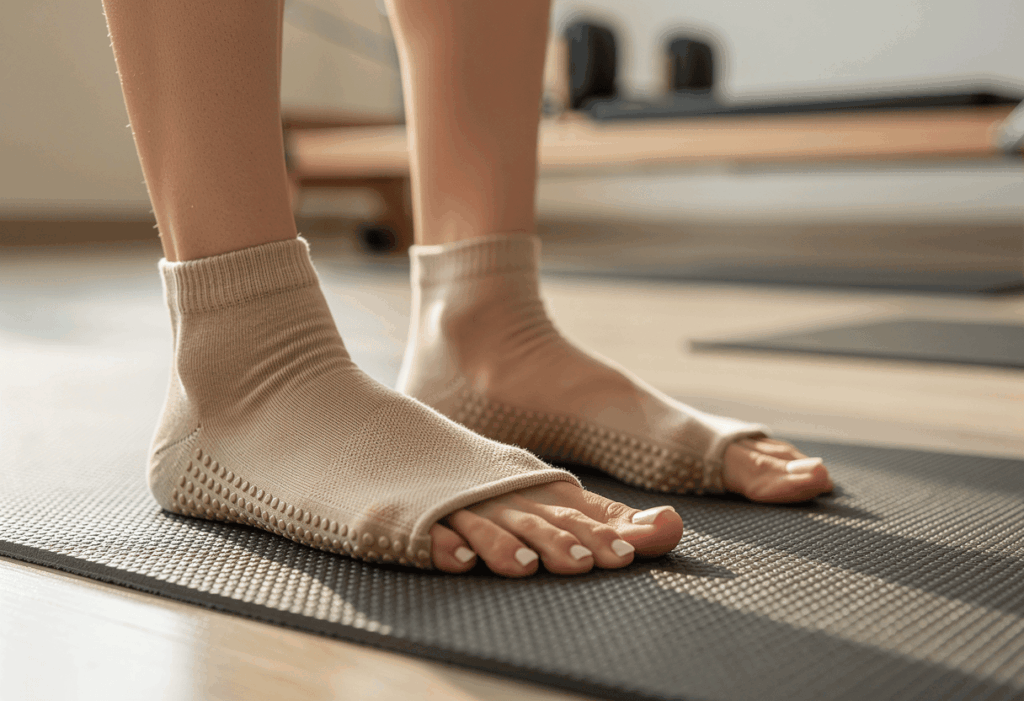
Pilates is designed to be practiced barefoot or with grip socks. This allows better balance, foot control, and muscle activation, especially during standing or reformer exercises. Wearing traditional athletic shoes limits ankle mobility and reduces sensory feedback from the feet.
Most studios recommend:
- Barefoot practice for maximum connection to the mat or reformer
- Grip socks if you want extra stability or hygiene
Grip socks are especially useful if you tend to sweat or feel unstable. The rubberized sole helps prevent slipping without restricting natural movement.
Shoes are generally discouraged because they:
- Reduce foot articulation
- Interfere with alignment
- Can damage Pilates equipment
As a general rule, if a class requires shoes, it’s likely not a traditional Pilates session.
Final Tips and What to Avoid for Pilates
By now, you know that what to wear for Pilates is mostly about comfort, control, and freedom of movement. Before you head to class, here’s a simple overview to help you choose the right outfit without overthinking it.
Quick outfit guide
| Pilates item | Recommended choice | Why it works |
| Top | Fitted tank or slim long-sleeve | Allows instructors to see alignment |
| Bra | Supportive but flexible | Keeps you secure without compression |
| Bottoms | High-waisted leggings or capris | Stay in place during core work |
| Feet | Barefoot or grip socks | Better balance and foot activation |
Common mistakes to avoid
Even comfortable clothes can be a poor fit for Pilates. Try to avoid:
- Loose or oversized tops that ride up
- Baggy pants that restrict leg movement
- Thick seams around hips or lower back
- Regular gym shoes, which limit ankle mobility
A subtle but important point: clothing that twists, slips, or needs constant adjustment can break concentration. Pilates relies on precision, so distractions, even small ones can reduce the quality of the workout.
Final takeaway
For Pilates, less is more. Choose simple, breathable, form-fitting clothing, skip the shoes, and prioritize comfort over trends. When your outfit supports your movement instead of fighting it, you’ll get far more out of every session whether you’re a beginner or a regular practitioner.